

Family planning advocates have called on government to establish long-term, reliable domestic financing systems to sustain family planning (FP) services, cautioning that Uganda’s progress remains vulnerable due to its heavy dependence on external funding.
The appeal follows growing concern that global aid reductions are undermining the country’s ability to maintain contraceptive supplies.
According to Action4Health Uganda (A4HU), Uganda’s contraceptive prevalence rate rose from 37.6 percent in 2020 to 41.2 percent in 2024. But advocates warn this progress could quickly stall without consistent and predictable financing.
Speaking during the release of the Family Planning Budget Analysis Study under the TeamUp Uganda programme, A4HU CEO Sarah Kintu said the study reviewed national and sub-national reproductive health allocations and expenditures for FY2022/23–2023/24.
She noted that although the Ministry of Health increased its allocation for reproductive health commodities from Shs20.46 billion in FY2021/22 to Shs32.5 billion in FY2024/25, only Shs5 billion was earmarked for family planning commodities—an amount she said falls far short of the country’s needs.
Kintu added that declining donor support has compounded the challenge. Contributions for FP commodities dropped from Shs25.8 billion in FY2022/23 to Shs10.7 billion in FY2024/25, mainly from USAID and UNFPA.
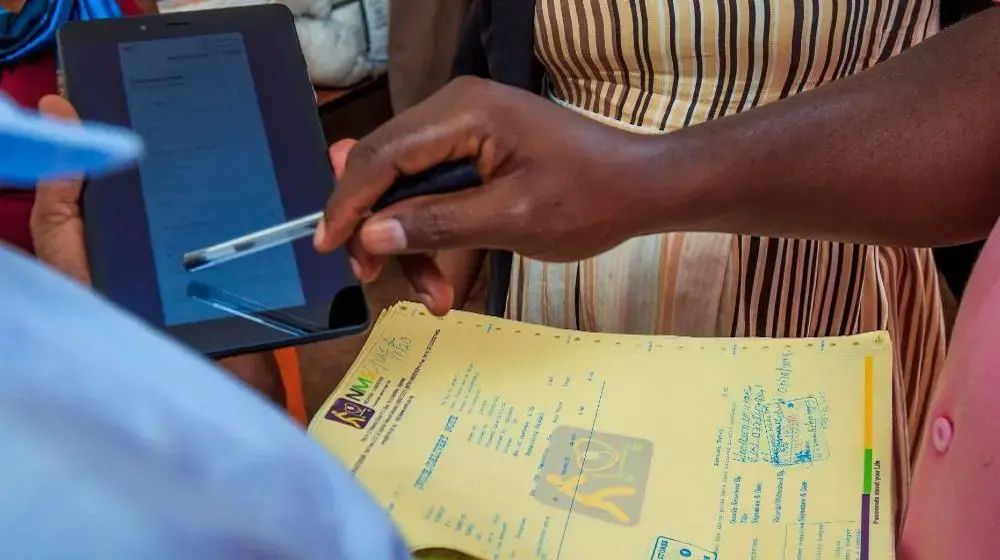
The cuts have already resulted in stock-outs of essential contraceptives, affecting service delivery for women and girls.
“We want to reactivate the FPBank quarterly engagements and dialogues, which were instrumental in the past. We need to work together to ensure that family planning services are prioritised and sustainably funded,” Kintu said.
Presenting the detailed budget analysis, Cornelia Asiimwe said FP commodity financing remains predominantly donor-driven, with USAID, UNFPA and CREPP contributing Shs 75.8 billion to RMNCAH programmes. Despite this support, she noted a persistent financing gap that continues to restrict nationwide FP access.
She linked Uganda’s experience to global trends, citing the 2025 Donors Delivering for SRHR Report which showed a 27 percent global decline in donor funding for FP, SRHR and RMNCAH in 2023. She warned that this downturn threatens Uganda’s ability to meet its family planning targets and improve health outcomes for women, adolescents and families.
From the Ministry of Health, Senior Program Officer for Adolescent Health, Clare Olivia, acknowledged a communication gap in public sensitisation efforts, saying misconceptions about side effects persist partly because messaging has overemphasised risks without adequately highlighting the benefits.
“Sometimes we scare people by focusing too much on the side effects instead of helping communities understand the full benefits,” she said, adding that efforts to strengthen community engagement are underway.
Asiimwe urged government to fast-track the National Health Insurance Scheme and include a comprehensive FP benefit package to reduce financial barriers and advance universal health coverage.
“We cannot afford to return to the days of high maternal mortality and unmet family planning needs. Prioritising and sustainably funding family planning is essential to safeguarding the health and well-being of every Ugandan,” she said.
